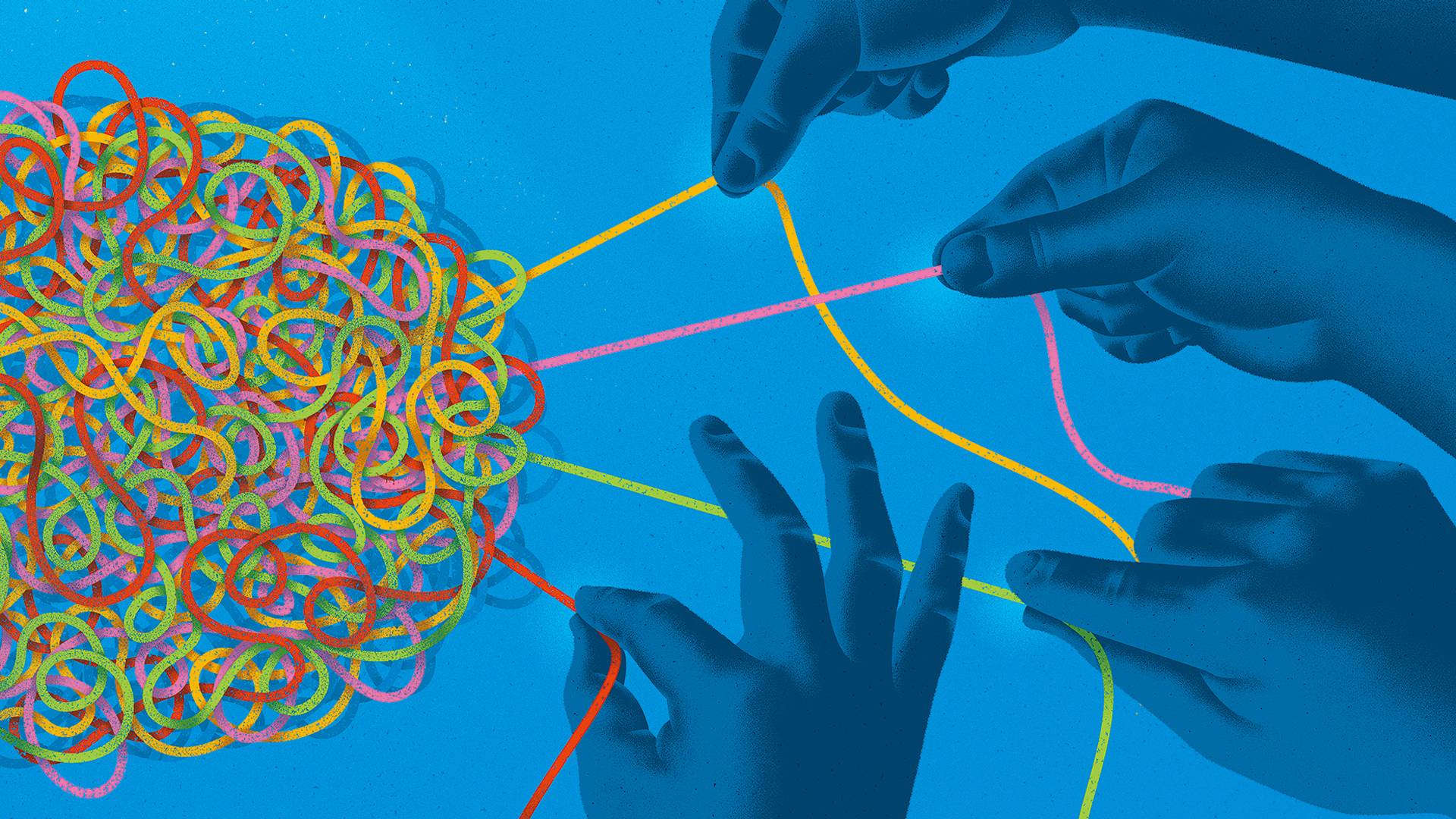
Autism Spectrum Disorder (ASD) is a complex neurodevelopmental condition that affects communication, behavior, and social interaction. While awareness has grown tremendously, understanding the science, recognizing the signs, and keeping up with modern research can be challenging. This blog breaks down ASD into simple parts, from what it is to the exciting frontiers of bioinformatics.
The key word is "Spectrum." This is not a linear scale from "mild" to "severe." Instead, think of a color wheel or a sound mixing board with dozens of sliders. Each autistic person has a unique profile of strengths and challenges across different areas, such as social communication, sensory processing, and interests.
| Social Communication and Interaction Challenges | Restricted, Repetitive Patterns of Behavior, Interests, or Activities (RRBs) |
|---|---|
| Difficulty with back-and-forth conversation. | Repetitive movements or speech (e.g., hand-flapping, echolalia). |
| Trouble understanding non-verbal cues like body language or tone of voice. | Insistence on sameness, inflexible adherence to routines, or distressed by change. |
| Challenges in developing, maintaining, and understanding relationships. | Highly restricted, fixated interests that are abnormal in intensity or focus. |
It's crucial to remember that autism also comes with unique strengths. These can include remarkable attention to detail, deep focus and expertise in areas of interest, pattern recognition, honesty, loyalty, and a unique, creative perspective on the world.
A July 2025 paper published in Nature Genetics describes the discovery of four clinically and biologically distinct subtypes of autism using data from the SPARK autism cohort (over 5,000 individuals). The researchers adopted a person-centered computational approach that aggregated over 230 clinical traits per individual, linking phenotypes to specific genetic profiles and developmental trajectories. The study identified four autism subtypes:
- Social and Behavioral Challenges (37%): Core autism traits, co-occurring ADHD, anxiety, or depression but typical milestone timing.
- Mixed ASD with Developmental Delay (19%): Delayed milestones but without frequent psychiatric comorbidity, differentiated by rare inherited variants.
- Moderate Challenges (34%): Mild core autism behavior, typical development and minimal psychiatric complications.
- Broadly Affected (10%): Severe developmental and psychiatric challenges, high burden of damaging de novo mutations.
The Bioinformatics Revolution: Piecing Together the Puzzle
The incredible complexity of autism with its hundreds of linked genes and countless environmental interactions creates a massive, multidimensional puzzle. This is a problem perfectly suited for bioinformatics.
Bioinformatics is the field that uses computational tools to capture, store, analyze, and interpret complex biological data.
So, how is it helping us understand ASD?
Genomic Data Mining:
Researchers use powerful algorithms to sift through the genomes of thousands of autistic individuals and their families. By comparing this data, they can identify:
- Common Genetic Variants: Small changes in DNA that slightly increase risk.
- Rare De Novo Mutations: Spontaneous genetic changes that are not inherited but occur for the first time in an individual.
- Copy Number Variations (CNVs): Deletions or duplications of large sections of DNA.
Bioinformatics tools help connect these genetic "dots" to specific biological pathways, like those involved in brain development, synapse formation, and neuronal communication.
Conclusion: A Future of Personalized Understanding
The journey of understanding autism is a testament to scientific and societal progress. We have moved from harmful misconceptions to a strengths-based, neurodiversity-affirming view.
The integration of bioinformatics is accelerating this progress at an unprecedented rate. By decoding the immense biological complexity of ASD, we are moving towards a future where we can:
The ultimate goal is not to eliminate autism, but to build a world that understands, accepts, and empowers every autistic individual to live a fulfilling and authentic life. And in that mission, the data-driven insights from bioinformatics are proving to be an invaluable guide.
Need Bioinformatics Analysis?
Discover how BioCogniz can help analyze your data with cutting-edge bioinformatics tools and technologies
Get In Touch