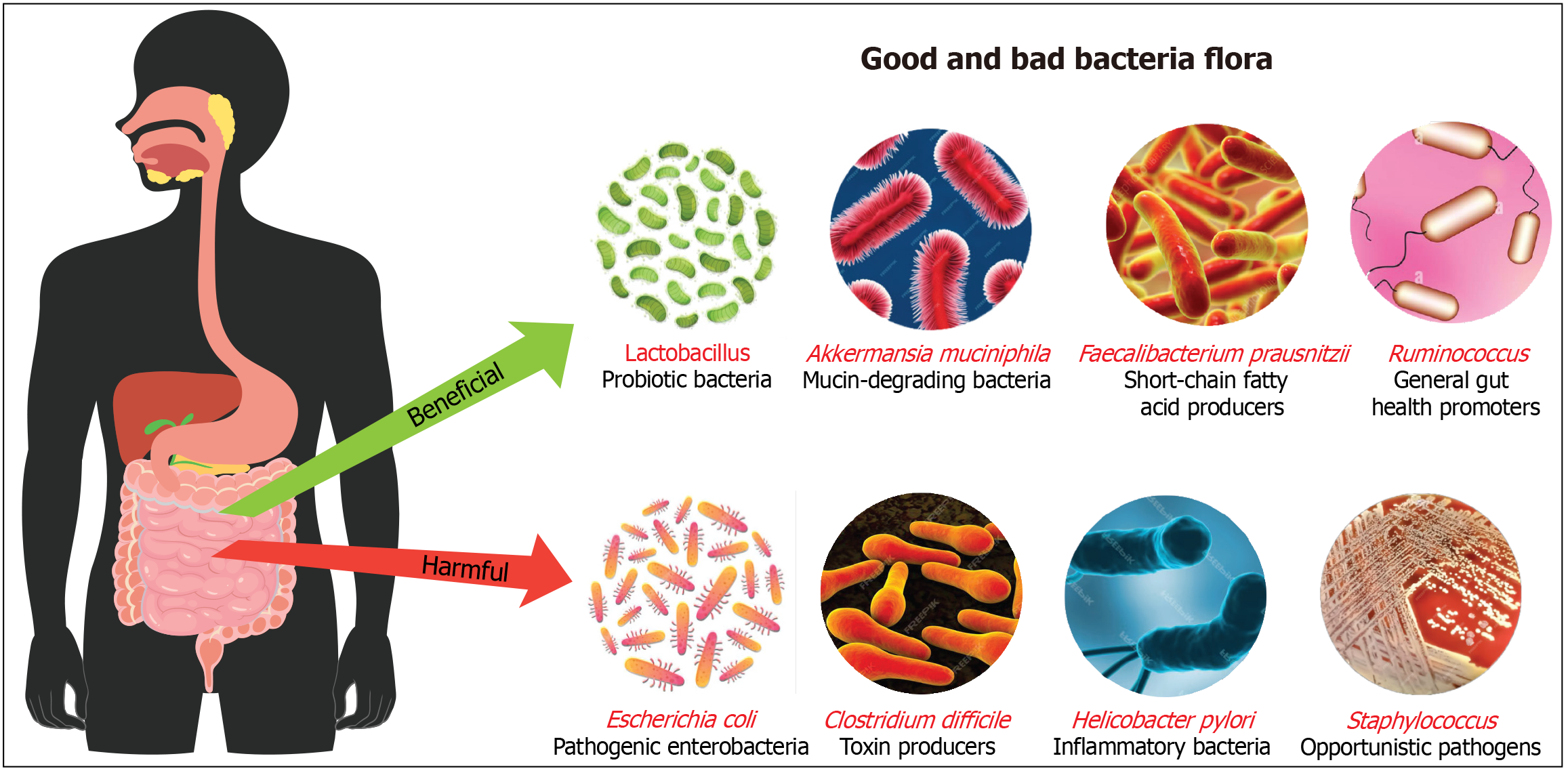
The human gut is home to trillions of microbes that play a crucial role in digestion, immunity, and even mental health. Metagenomic sequencing has revolutionized our ability to study these microbial communities, revealing insights that were once unimaginable. By analyzing DNA directly from environmental samples like stool, scientists can identify microbial species, their functions, and how they interact with their host.
How Metagenomic Sequencing Works
Unlike traditional culture-based methods, metagenomics captures all microbial DNA in a sample, including unculturable bacteria, viruses, and fungi. This comprehensive approach provides an unbiased view of the entire microbial ecosystem.
Breakthroughs in Gut Microbiome Research
Study 1: Gut Microbiota Modulates Response to Cancer Immunotherapy
Key Findings:
- Patients with higher gut microbial diversity responded better to immunotherapy
- Specific bacteria (Akkermansia muciniphila, Faecalibacterium prausnitzii) were linked to improved treatment outcomes
- Fecal microbiota transplantation (FMT) from responders enhanced therapy efficacy in non-responders
Takeaway: The gut microbiome could be harnessed to improve cancer treatment.
Study 2: Diet-Driven Gut Microbiota Changes Influence Neurodegenerative Disease Risk
Key Findings:
- High-fiber diets increased butyrate-producing bacteria, which reduced neuroinflammation
- Western diets (high-fat, low-fiber) promoted microbes linked to Alzheimer's and Parkinson's
- Probiotic interventions slowed neurodegeneration in mouse models
Takeaway: Diet shapes gut microbes, which in turn affect brain health.
Comparing the Two Studies
| Aspect | Cancer Immunotherapy Study | Neurodegeneration Study |
|---|---|---|
| Focus | Cancer treatment response | Brain health & diet |
| Key Bacteria | Akkermansia, Faecalibacterium | Butyrate producers (Roseburia, Eubacterium) |
| Intervention | Fecal transplants | Probiotics & dietary changes |
| Clinical Impact | Personalized cancer therapy | Preventive neurology strategies |
Both studies highlight how microbiome modulation via diet, probiotics, or FMT can have far-reaching health effects.
The Future of Metagenomics
Personalized microbiome therapies will become mainstream
Early disease detection via microbial biomarkers will be possible
Engineered probiotics could treat metabolic and neurological disorders
Beyond Digestion
The gut microbiome is no longer just about digestion—it's a key player in overall health, from cancer to cognition. As metagenomic technologies continue to advance, our understanding of these microscopic communities will unlock new therapeutic possibilities and reshape how we approach human health.
Need Metagenomic Analysis?
Discover how BioCogniz can help analyze your microbiome samples with cutting-edge sequencing technologies
Get In Touch